In an era where sustainable transport is becoming increasingly vital, the electric vehicle (EV) sector is experiencing unprecedented expansion. This surge is creating a heightened need for efficient and widely available charging solutions. For entrepreneurs and businesses eying opportunities in this rapidly expanding field, one critical decision looms large: determining the most effective business model for EV charging stations.
Which EV Charging Stations Business Model is the Best?
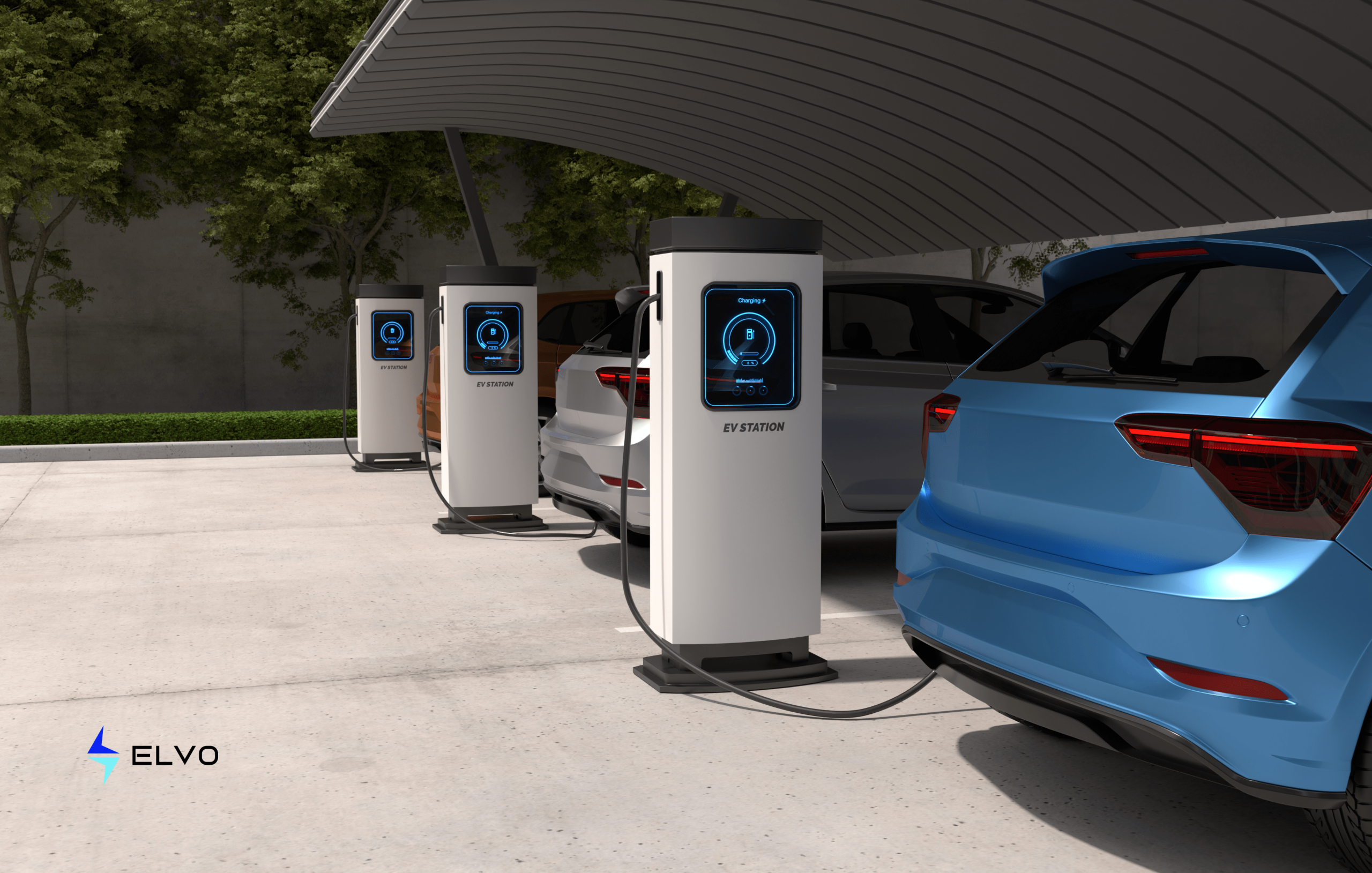
This article delves into the various business models available for EV charging stations, from ownership and subscription models to advertising and pay-per-use systems. We’ll explore the advantages and challenges of each model, providing insights to help you make an informed decision tailored to your business goals and the needs of EV users. Join us as we navigate the dynamic landscape of EV charging solutions, identifying key factors for success in this rapidly evolving industry.
Business Models of EV Charging Based on Revenue
Pay-Per-Use Charging Model for Electric Vehicles
The pay-per-use charging model is a straightforward transactional approach where electric vehicle (EV) drivers pay for the electricity they consume during each charging session. This model treats charging services akin to traditional fueling, with fees typically based on the amount of electricity consumed (measured in kWh) or the duration of the charging session (time-based).
Prices can vary depending on the location, time of day, and the charging speed provided, offering fast chargers at a premium due to their convenience. This model encourages a user-friendly experience by allowing EV drivers to pay only for what they use without requiring long-term commitments.
It’s especially appealing to public charging station operators looking to attract occasional users or those without regular charging patterns. However, to facilitate transactions, operators must invest in payment processing systems that can handle various payment methods, from credit cards to mobile payment apps, ensuring accessibility and convenience for all users.
Subscription-Based Model
The subscription-based model offers EV drivers unlimited access to a network of charging stations for a regular fixed fee. This model mimics the membership structure of gym subscriptions, providing predictable costs for consumers and steady revenue streams for operators.
It’s particularly attractive for frequent users who prefer convenience and predictability over per-use fees. These subscriptions can vary, offering different tiers based on charging speeds, network access, or premium services like reserved charging spots.
While this model fosters customer loyalty and can streamline operations through consistent revenue, it requires operators to carefully balance pricing and network capacity to ensure service quality and avoid overcrowding. Additionally, the model must be attractive enough to draw users away from the pay-per-use model, necessitating a robust and widely accessible charging network.
Charging as an Amenity Model
Under the charging as an amenity model, businesses and establishments offer EV charging as a complimentary service to patrons, tenants, or employees, without direct fees for each use. This model views EV charging as a value-added service, similar to free Wi-Fi in coffee shops or parking at a hotel, aiming to enhance customer satisfaction, and loyalty, and potentially attract a specific clientele segment.
It’s commonly adopted by shopping centers, hotels, workplaces, and residential complexes, where the primary goal isn’t to profit directly from the charging service but to indirectly boost the primary business or property value. While this approach removes the barrier of charging costs for users, it requires the provider to absorb or offset operational and maintenance expenses, often through increased prices for goods or services, higher rents, or leveraging the increased foot traffic and dwell time that free charging can encourage.
This model also necessitates a strategic approach to managing electricity demand and ensuring the availability of charging spots to meet user expectations.
Each model caters to distinct customer groups and use cases and requires a strategic approach to implementation and management. Here is a table comparing these three EV charging business models:
| Business Model | Payment Structure | Target Customer | Cost to User | Revenue Generation | Typical Locations |
| Pay-Per-Use Charging | Per kWh or per session | Occasional users, tourists | Variable | Direct per-use fees | Public spots, highway rest areas |
| Subscription-Based | Monthly/Annual fee | Regular users, EV enthusiasts | Fixed | Recurring revenue | Residential complexes, workplaces |
| Charging as an Amenity | Free or included in the cost | Customers, tenants, employees | None or bundled | Indirect (retention or attracting customers) | Hotels, shopping centers, businesses |
The Best Electric Vehicle Charging Stations Business Model Based on Revenue
The efficacy of an electric vehicle (EV) charging model largely depends on consumer behavior, location, and specific business strategies; however, many argue that Subscription-Based charging offers an impressive balance of benefits for businesses and users. This model nurtures customer loyalty by offering consistent pricing for unlimited charging within a network, which can alleviate range anxiety and encourage EV adoption by presenting a more predictable and often economical alternative to Pay-Per-Use charging.
For providers, recurring revenue from subscriptions ensures a more stable cash flow and can lead to a larger, more dedicated user base, enhancing planning and investment in infrastructure. Furthermore, subscription services can be tiered to provide different levels of service, allowing customers to select a plan that best suits their driving habits.
While Charging as an Amenity can attract customers to a business and Pay-Per-Use ensures users only pay for what they need, Subscription-Based charging facilitates a strong and reliable growth platform for EV infrastructure, potentially accelerating the transition towards sustainable transportation ecosystems.
Business Models of EV Charging Based on Monetization Approach
Free Charging as a Market Entry Strategy
In this approach, businesses provide EV charging services at no cost. As surprising as it may sound, this strategy is employed to capture a larger market share in the expanding EV charging sector. By offering free charging, businesses can attract and retain a significant number of customers.
You might wonder how a business could offset the substantial initial and ongoing expenses of operating a charging station. The answer lies in the increased business revenue generated from higher customer traffic and the expansion of existing business operations.
This model is particularly well-suited for large commercial entities like supermarkets, dining establishments, and hotels. Before committing to this strategy, it’s crucial to assess whether offering complimentary charging could indeed entice your target demographic, ultimately fostering business growth, enhancing brand loyalty, and justifying the expenditure on EV charging infrastructure.
If your clientele primarily consists of EV drivers seeking convenient charging options, this strategy might be a perfect fit. While investing in DC fast chargers involves a higher expenditure, Level 2 chargers are also an effective choice. By prolonging the average visit duration of your customers, you can stimulate additional purchases and generate increased revenue.
Operational Cost Recovery Model
This model involves charging EV drivers a fee for using the charging facilities. It fits any business or commercial venue that regularly attracts a significant number of visitors. The charging fees should be calculated based on your operational costs and adjusted according to the daily anticipated customer usage, enabling you to recoup your expenses.
Any revenue exceeding the operational costs contributes towards recovering the initial investment in EV charging equipment and installation. Essentially, this model offers the potential to gradually cover all associated costs while yielding a modest profit.
A critical aspect of success in this model is setting a fee that customers find acceptable, especially when compared to the cost of charging at home. Ensuring your charging fees remain within an acceptable range for your customers is key to attracting a steady number of users and achieving sufficient revenue for cost recovery.
Our advice for this model emphasizes the importance of competitive pricing to attract more drivers. Overly high fees could deter drivers, especially those with shorter journeys ahead. Providing an easy-to-understand billing system and offering quick payment methods such as apps, e-wallets, or cards can further enhance this model’s effectiveness.
Partnership-Based Model
This model operates through a collaboration with an EV charging service provider, which supplies the charging equipment and installation services at no cost to the business owner. In return, the business earns a lease payment for providing space for the EV charging stations.
Ideal for any business or commercial property owner, this approach guarantees a steady income through rent, without requiring any investment.
However, the chosen location must be strategically positioned, preferably along busy routes or close to major highway access points. While this model requires no direct financial input or operational involvement from the business owner, it does mean relinquishing control over the charging operations and pricing. Revenue generated from the charging services goes to the infrastructure provider.
This setup is typically best for businesses less focused on branding or the customer charging experience. Yet, compatibility with the third-party provider’s infrastructure and the electrical capacity needs of the proposed charging equipment could necessitate site modifications and upgrades, potentially introducing additional responsibilities and complications for the business owner.
Profit-Driven Model
Centered around maximizing profits, this model is suitable for businesses aiming to enhance their profitability by adding EV charging services to their offerings.
Businesses adopting this approach charge EV drivers a fee for each charging session, calculated to cover all costs including equipment, infrastructure, operational, and maintenance expenses. Achieving cost recovery through sufficient revenue flow allows the business to realize significant profits.
The main challenge with this model is the potential reduction in customer traffic due to higher charging fees. Nonetheless, incorporating fast charging options and providing additional incentives like freebies, discounts, loyalty rewards, or cashback can help attract more customers even with premium pricing.
Here’s a comparison table for the different EV charging business models:
| Feature | Free Charging as a Market Entry Strategy | Operational Cost Recovery Model | Partnership-Based Model | Profit-Driven Model |
| Objective | Attract and retain customers by offering free charging | Recoup operational costs through charging fees, potentially covering all associated costs and yielding a modest profit | Generate steady income through leasing space for EV charging stations, with no initial investment required from the business owner | Maximize profits by charging EV drivers fees that cover all expenses including equipment, infrastructure, operational, and maintenance costs, aiming for significant profits |
| Ideal For | Large commercial entities (e.g., supermarkets, dining establishments, hotels) | Businesses/commercial venues that attract a significant number of visitors | Any business or commercial property owner | Businesses aiming to enhance profitability through EV charging services |
| Customer Attraction | Through offering free charging | By setting a fee that is acceptable to customers, especially when compared to home charging costs | Not the primary focus as control over charging operations and pricing is relinquished | Through fast charging options and additional incentives like freebies, discounts, loyalty rewards, or cashback despite potentially higher charging fees |
| Revenue Model | Increased business revenue from higher customer traffic and the expansion of existing business operations | Revenue exceeds operational costs contributing towards recovering the initial investment in EV charging equipment and installation. | Steady income through rent from leasing space to an EV charging service provider | Significant profits achieved through sufficient revenue flow to cover all costs |
| Key Challenge | Justifying the expenditure on EV charging infrastructure | Setting a competitive fee that attracts a steady number of users | Potentially introducing additional responsibilities and complications due to site modifications and compatibility with the third-party provider’s infrastructure | Potentially reduced customer traffic due to higher charging fees |
| Investment | Substantial initial and ongoing expenses | Based on operational costs and adjusted according to daily anticipated customer usage | No direct financial input or operational involvement required from the business owner | Costs covering equipment, infrastructure, operational, and maintenance expenses |
The Best Electric Vehicle Charging Station Business Model Based On Monetization Approach
The best electric vehicle charging station business model based on the monetization approach is the profit-driven model, as it focuses on maximizing the returns from the investment in EV charging services. This model carefully calculates fees for each charging session to cover all associated costs — from equipment and installation to operational and maintenance expenses — thereby ensuring that the business not only recovers its initial investments but also secures significant profits.
While it runs the risk of reducing customer traffic with higher fees, the strategy of offering fast charging options along with incentives such as discounts, loyalty programs, and other value-added services could attract a broad customer base, balancing out potential downsides with strong profit-making potential.
This approach, thus, presents an optimal mix of financial strategy and customer satisfaction, making it a highly effective business model for those looking to monetize their EV charging stations effectively.
Costs Associated with Commercial EV Charging Station Businesses
Establishing a commercial electric vehicle (EV) charging station involves various costs that are crucial for business owners to understand and anticipate. The primary expense is the hardware cost, which includes the purchase of the charging stations themselves. Installation costs of EV charging stations can also be significant, encompassing labor and the materials required to properly set up the stations.
In many cases, a supply grid upgrade is necessary to ensure that the infrastructure can handle the increased electrical demand, which can entail a substantial investment. Ongoing costs include the electrical costs for the power consumed during charging sessions, which can vary depending on local energy prices and usage patterns.
Maintenance costs are also recurring expenses, covering regular servicing to keep the charging stations operational and safe. Security costs cannot be overlooked, as protecting these investments from vandalism or theft is critical, typically involving surveillance and possibly on-site security measures.
Additionally, software costs are associated with managing the charging network, such as user interface platforms, payment processing, and backend systems that monitor and report on the usage and efficiency of the stations. Each of these factors contributes to the total cost of owning and operating a commercial EV charging station and must be carefully considered in the business planning and budgeting process.
Conclusion
In conclusion, when it comes to selecting the best charging station business model, it largely depends on the specific needs of the community, the location, and the target customer base. A one-size-fits-all approach is not feasible in this rapidly evolving industry. For dense urban environments, a subscription-based model may offer the predictability and sense of community that city dwellers value. Conversely, in areas with heavy transit traffic, a pay-per-charge model might make more sense, providing flexibility for drivers on the go.
Ultimately, the key to success is flexibility and adaptability. By understanding the local market and being prepared to evolve with technological advancements, entrepreneurs can ensure their charging station business remains a powerful and profitable player in the shift toward sustainable transportation. As the electric vehicle market continues to grow, so too will the opportunities for innovative charging solutions that meet the diverse needs of EV drivers.
Similar posts
Which EV Charging Stations Business Model is the Best?
Lorem ipsum dolor sit amet, consectetur adipiscing elit, sed do eiusmod tempor incididunt ut labore et dolore magna aliqua. Ut enim ad minim veniam, quis nostrud exercitation ullamco laboris...
Which EV Charging Stations Business Model is the Best?
Lorem ipsum dolor sit amet, consectetur adipiscing elit, sed do eiusmod tempor incididunt ut labore et dolore magna aliqua. Ut enim ad minim veniam, quis nostrud exercitation ullamco laboris...
Which EV Charging Stations Business Model is the Best?
Lorem ipsum dolor sit amet, consectetur adipiscing elit, sed do eiusmod tempor incididunt ut labore et dolore magna aliqua. Ut enim ad minim veniam, quis nostrud exercitation ullamco laboris...
Which EV Charging Stations Business Model is the Best?
In an era where sustainable transport is becoming increasingly vital, the electric vehicle (EV) sector is experiencing unprecedented expansion. This surge is creating a heightened need for efficient and...